The Complete 2026 Guide to Trade Show Booth Furniture & Registration Setup in Dallas-Fort Worth

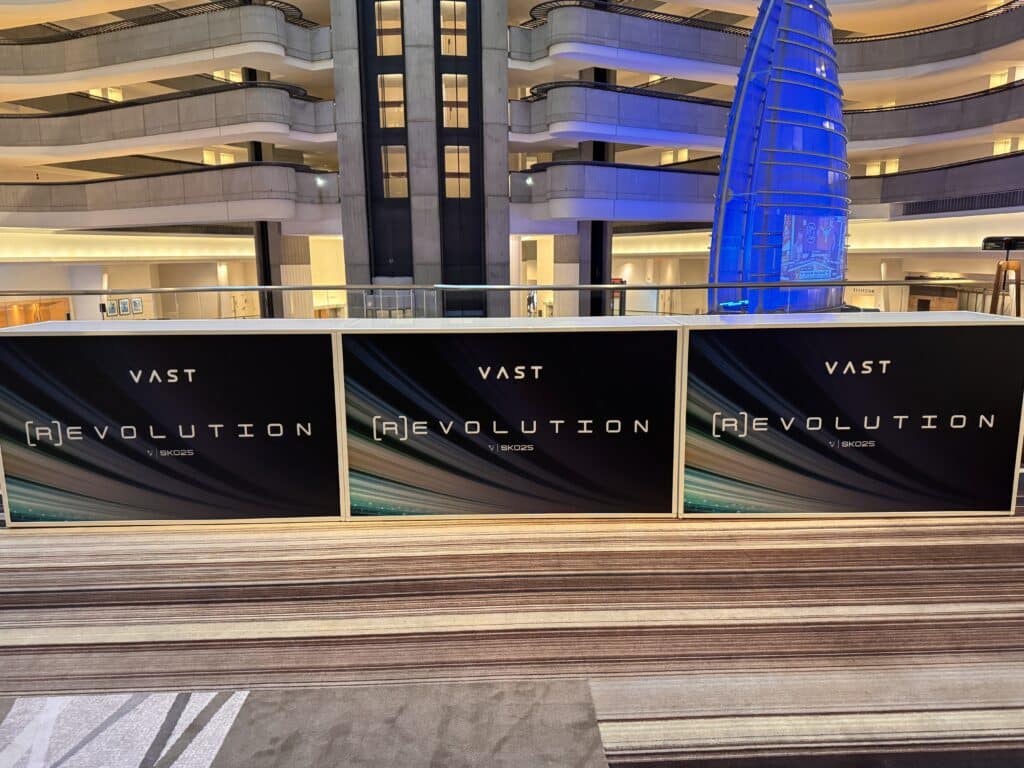
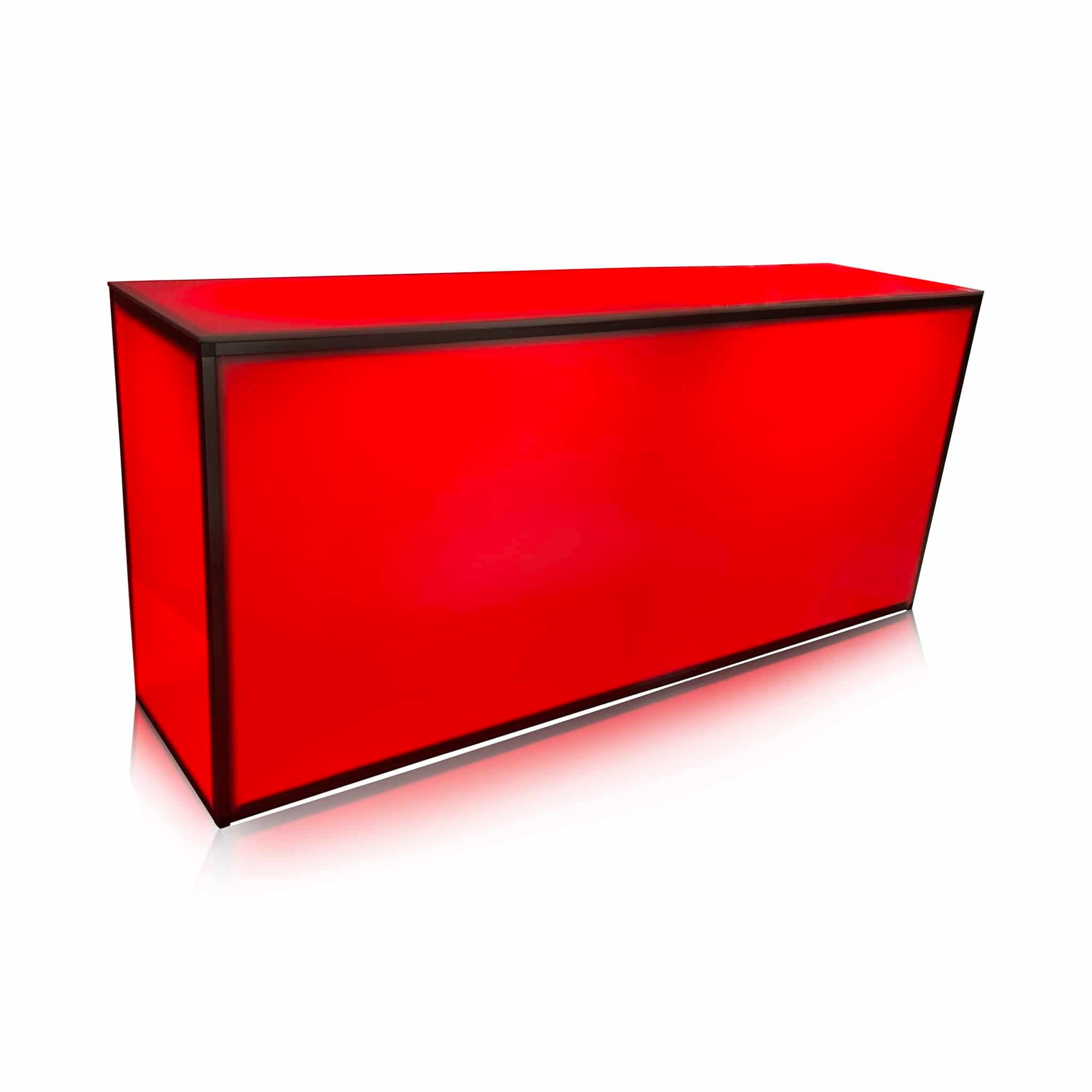
registration counter rental dallas

Trade shows in Dallas-Fort Worth are not casual pop-up events. Between the Kay Bailey Hutchison Convention Center, Dallas Market Center, and Irving Convention Center, exhibitors are competing in high-traffic, high-stakes environments.

The difference between a booth that generates leads and one that gets ignored often comes down to one thing:

Furniture layout, registration flow, and space planning.

This guide breaks down exactly how to plan your registration counters, booth furniture, and engagement zones for trade shows in DFW — whether you’re exhibiting in a 10×10 inline booth or building a multi-zone corporate activation.


1. How Many Registration Counters Do You Really Need?

This is the most common — and most important — planning question.

The number of counters you need depends on:

  • Total attendees
  • Check-in window duration
  • Badge print time
  • Staff count
  • Whether pre-registration is used
  • ADA requirements

Here is a practical planning framework:

Under 200 Attendees

200–500 Attendees

  • 3–4 counters
  • Defined queue area
  • Separate badge printer table behind counters

500–1,000 Attendees

  • 4–6 counters
  • Clear queue flow with stanchions
  • Dedicated problem-resolution counter

1,000+ Attendees

  • 6+ counters
  • Zoned check-in (A–M / N–Z or pre-reg / on-site)
  • Separate VIP or sponsor counter
  • ADA-compliant station required

Why This Matters

If badge printing takes 45–60 seconds per person and you have 400 guests arriving within a 90-minute window, 2 counters will fail.

Crowds at registration:

  • Damage first impressions
  • Block venue entrances
  • Frustrate sponsors
  • Slow event start times

In Dallas venues where lobby space can fill quickly, proper counter planning is not optional.


2. ADA & Counter Height Considerations

Trade show registration counters are typically:

  • 36–42 inches high (standard reception height)

However, ADA-compliant counters:

  • Must include a lower accessible writing surface
  • Require proper clearance underneath

For corporate events and trade shows in DFW, ADA compliance is often overlooked until late in planning.

Planning this early avoids last-minute changes.


3. Trade Show Booth Furniture by Booth Size

Your booth size determines your engagement capacity.

Here’s how to think about it strategically:


10×10 Inline Booth

This is not a lounge environment. Keep it focused.

Recommended setup:

  • 1 slim reception counter
  • 2–3 stools
  • 1 pedestal or display element

Avoid:

  • Overcrowding with lounge furniture
  • Blocking booth frontage

Goal:
Maximize openness and encourage quick conversations.


10×20 Booth

Now you can create zones.

Recommended:

  • 1 reception counter
  • 1 small lounge cluster (2 chairs + coffee table)
  • 1 high-top table for standing conversations

Layout tip:
Keep the counter offset — not centered — to allow better entry flow.


20×20 Island Booth

This is where engagement strategy matters.

Recommended:

  • 1 defined reception or info counter
  • 2–3 lounge groupings
  • 2 high-top networking tables
  • 1 product display zone with pedestals
  • Optional LED or scenic element for visibility

Key:
Create multiple micro-conversation areas instead of one crowded cluster.


20×30+ Booth

At this size, you should think in defined zones:

  • Registration or lead capture zone
  • Demo zone
  • Lounge seating zone
  • Networking bar-height area
  • Product display pedestals
  • Charging station if dwell time matters

The mistake most exhibitors make?
Trying to do everything in the center of the booth.

Zoning increases engagement and improves traffic flow.


4. Traffic Flow Strategy for Dallas Trade Shows

Furniture layout is psychology.

Here’s what works:

Keep the Front Open

Avoid blocking the booth entrance with:

  • Large couches
  • Oversized counters
  • Decorative elements

Pull People In

Lounge furniture should:

  • Sit slightly inside the booth
  • Create visual depth
  • Invite entry

Avoid Printer Clutter

Badge printers:

  • Need space behind counters
  • Require power access
  • Should not be visible from all angles

Separate Registration from Demo Areas

If registration backs up, you don’t want it interfering with product demonstrations.


5. Furniture That Actually Drives Engagement

Not all furniture increases interaction.

Here’s what works consistently in DFW trade shows:

High-Top Tables

Encourage short conversations and networking.

Defined Lounge Clusters

Two chairs facing each other convert better than long sofas against walls.

LED Elements

Increase visibility across crowded exhibit halls.

Pedestal Displays

Elevate products physically and psychologically.

Charging Tables

Increase dwell time in tech and corporate-heavy expos.


6. Dallas Venue-Specific Considerations

Kay Bailey Hutchison Convention Center

  • Advance warehouse shipments common
  • Marshalling yard scheduling strict
  • Early morning install windows limited
  • Large lobby areas require registration flow planning

Dallas Market Center

  • Multi-building navigation
  • Freight scheduling important
  • Rolling load-ins common

Irving Convention Center

  • Tighter dock coordination
  • Lobby spacing needs careful queue management

Understanding these logistics separates experienced providers from basic vendors.


7. Large-Scale & Multi-Booth Support

For major events — including high-traffic corporate conventions and large sporting-related activations — scale matters.

Large deployments may require:

  • 50+ lounge seats
  • 10+ counters
  • Multi-zone hospitality environments
  • Outdoor-rated furniture
  • Branded scenic elements
  • Phased delivery across multiple days

Exhibitors supporting sponsors, hospitality suites, or credentialing areas need coordinated staging — not just delivery.


8. Common Trade Show Furniture Mistakes in DFW

  1. Too few registration counters
  2. Blocking booth frontage
  3. Ignoring ADA requirements
  4. Overcrowding small booths
  5. No defined engagement zones
  6. Forgetting power placement
  7. Poor badge printer spacing
  8. No overflow queue plan

Avoiding these mistakes protects both brand perception and guest experience.


9. Planning Timeline for Dallas Trade Shows

Ideal timeline:

60–90 Days Out

  • Confirm booth size
  • Finalize furniture concept
  • Determine counter count
  • Review venue rules

30–45 Days Out

  • Lock in quantities
  • Confirm delivery windows
  • Submit freight forms if required

7–14 Days Out

  • Confirm power access
  • Review layout diagrams
  • Final staffing alignment

High-demand seasons in DFW fill quickly — especially around major sporting events and corporate conventions.


10. Frequently Asked Questions

How many registration counters do I need for 500 attendees?

Typically 3–4 counters, depending on check-in speed and staffing.

What is the standard height of a trade show counter?

Most are 36–42 inches high. ADA stations require a lower accessible surface.

How much lounge seating should a 20×20 booth have?

Usually 6–10 seats divided into 2–3 clusters.

What furniture increases engagement at trade shows?

High-tops, defined lounge areas, LED accents, and visible reception counters.

Do Dallas venues require advance warehouse shipping?

Often yes, particularly at Kay Bailey Hutchison Convention Center.

Can furniture be staged for multi-day events?

Yes, staging and phased delivery are common for large corporate activations.

The Complete 2026 Guide to Trade Show Booth Furniture & Registration Setup in Dallas-Fort Worth

Trade shows in Dallas-Fort Worth are not casual pop-up events. Between the Kay Bailey Hutchison Convention Center, Dallas Market Center, and Irving Convention Center, exhibitors are competing in high-traffic, high-stakes environments.

The difference between a booth that generates leads and one that gets ignored often comes down to one thing:

Furniture layout, registration flow, and space planning.

This guide breaks down exactly how to plan your registration counters, booth furniture, and engagement zones for trade shows in DFW — whether you’re exhibiting in a 10×10 inline booth or building a multi-zone corporate activation.


1. How Many Registration Counters Do You Really Need?

This is the most common — and most important — planning question.

The number of counters you need depends on:

  • Total attendees
  • Check-in window duration
  • Badge print time
  • Staff count
  • Whether pre-registration is used
  • ADA requirements

Here is a practical planning framework:

Under 200 Attendees

  • 1–2 registration counters
  • 1 backup station if badge printing is on-site

200–500 Attendees

  • 3–4 counters
  • Defined queue area
  • Separate badge printer table behind counters

500–1,000 Attendees

  • 4–6 counters
  • Clear queue flow with stanchions
  • Dedicated problem-resolution counter

1,000+ Attendees

  • 6+ counters
  • Zoned check-in (A–M / N–Z or pre-reg / on-site)
  • Separate VIP or sponsor counter
  • ADA-compliant station required

Why This Matters

If badge printing takes 45–60 seconds per person and you have 400 guests arriving within a 90-minute window, 2 counters will fail.

Crowds at registration:

  • Damage first impressions
  • Block venue entrances
  • Frustrate sponsors
  • Slow event start times

In Dallas venues where lobby space can fill quickly, proper counter planning is not optional.


2. ADA & Counter Height Considerations

Trade show registration counters are typically:

  • 36–42 inches high (standard reception height)

However, ADA-compliant counters:

  • Must include a lower accessible writing surface
  • Require proper clearance underneath

For corporate events and trade shows in DFW, ADA compliance is often overlooked until late in planning.

Planning this early avoids last-minute changes.


3. Trade Show Booth Furniture by Booth Size

Your booth size determines your engagement capacity.

Here’s how to think about it strategically:


10×10 Inline Booth

This is not a lounge environment. Keep it focused.

Recommended setup:

  • 1 slim reception counter
  • 2–3 stools
  • 1 pedestal or display element

Avoid:

  • Overcrowding with lounge furniture
  • Blocking booth frontage

Goal:
Maximize openness and encourage quick conversations.


10×20 Booth

Now you can create zones.

Recommended:

  • 1 reception counter
  • 1 small lounge cluster (2 chairs + coffee table)
  • 1 high-top table for standing conversations

Layout tip:
Keep the counter offset — not centered — to allow better entry flow.


20×20 Island Booth

This is where engagement strategy matters.

Recommended:

  • 1 defined reception or info counter
  • 2–3 lounge groupings
  • 2 high-top networking tables
  • 1 product display zone with pedestals
  • Optional LED or scenic element for visibility

Key:
Create multiple micro-conversation areas instead of one crowded cluster.


20×30+ Booth

At this size, you should think in defined zones:

  • Registration or lead capture zone
  • Demo zone
  • Lounge seating zone
  • Networking bar-height area
  • Product display pedestals
  • Charging station if dwell time matters

The mistake most exhibitors make?
Trying to do everything in the center of the booth.

Zoning increases engagement and improves traffic flow.


4. Traffic Flow Strategy for Dallas Trade Shows

Furniture layout is psychology.

Here’s what works:

Keep the Front Open

Avoid blocking the booth entrance with:

  • Large couches
  • Oversized counters
  • Decorative elements

Pull People In

Lounge furniture should:

  • Sit slightly inside the booth
  • Create visual depth
  • Invite entry

Avoid Printer Clutter

Badge printers:

  • Need space behind counters
  • Require power access
  • Should not be visible from all angles

Separate Registration from Demo Areas

If registration backs up, you don’t want it interfering with product demonstrations.


5. Furniture That Actually Drives Engagement

Not all furniture increases interaction.

Here’s what works consistently in DFW trade shows:

High-Top Tables

Encourage short conversations and networking.

Defined Lounge Clusters

Two chairs facing each other convert better than long sofas against walls.

LED Elements

Increase visibility across crowded exhibit halls.

Pedestal Displays

Elevate products physically and psychologically.

Charging Tables

Increase dwell time in tech and corporate-heavy expos.


6. Dallas Venue-Specific Considerations

Kay Bailey Hutchison Convention Center

  • Advance warehouse shipments common
  • Marshalling yard scheduling strict
  • Early morning install windows limited
  • Large lobby areas require registration flow planning

Dallas Market Center

  • Multi-building navigation
  • Freight scheduling important
  • Rolling load-ins common

Irving Convention Center

  • Tighter dock coordination
  • Lobby spacing needs careful queue management

Understanding these logistics separates experienced providers from basic vendors.


7. Large-Scale & Multi-Booth Support

For major events — including high-traffic corporate conventions and large sporting-related activations — scale matters.

Large deployments may require:

  • 50+ lounge seats
  • 10+ counters
  • Multi-zone hospitality environments
  • Outdoor-rated furniture
  • Branded scenic elements
  • Phased delivery across multiple days

Exhibitors supporting sponsors, hospitality suites, or credentialing areas need coordinated staging — not just delivery.


8. Common Trade Show Furniture Mistakes in DFW

  1. Too few registration counters
  2. Blocking booth frontage
  3. Ignoring ADA requirements
  4. Overcrowding small booths
  5. No defined engagement zones
  6. Forgetting power placement
  7. Poor badge printer spacing
  8. No overflow queue plan

Avoiding these mistakes protects both brand perception and guest experience.


9. Planning Timeline for Dallas Trade Shows

Ideal timeline:

60–90 Days Out

  • Confirm booth size
  • Finalize furniture concept
  • Determine counter count
  • Review venue rules

30–45 Days Out

  • Lock in quantities
  • Confirm delivery windows
  • Submit freight forms if required

7–14 Days Out

  • Confirm power access
  • Review layout diagrams
  • Final staffing alignment

High-demand seasons in DFW fill quickly — especially around major sporting events and corporate conventions.


10. Frequently Asked Questions

How many registration counters do I need for 500 attendees?

Typically 3–4 counters, depending on check-in speed and staffing.

What is the standard height of a trade show counter?

Most are 36–42 inches high. ADA stations require a lower accessible surface.

How much lounge seating should a 20×20 booth have?

Usually 6–10 seats divided into 2–3 clusters.

What furniture increases engagement at trade shows?

High-tops, defined lounge areas, LED accents, and visible reception counters.

Do Dallas venues require advance warehouse shipping?

Often yes, particularly at Kay Bailey Hutchison Convention Center.

Can furniture be staged for multi-day events?

Yes, staging and phased delivery are common for large corporate activations.

Facebook
Twitter
LinkedIn
Keep reading

Related Article

How to Choose the Best Furniture Rentals for Events in Dallas, TX

Choosing the right event furniture can transform the atmosphere and functionality of your event. In this guide, we explain how to select the best event furniture rentals for corporate events, trade shows, and conferences in Dallas, TX, including lounge seating, registration counters, and display pedestals that help create professional and engaging event environments.

Dallas Event Furniture Rental

10 Furniture Rentals Required to Showcase Your Event in Dallas, TX

Planning a corporate event, trade show, or conference in Dallas, TX? The right furniture can transform your venue and elevate the guest experience. In this guide, we highlight 10 essential event rentals used by professional planners to create stylish, functional event spaces that support networking, branding, and attendee engagement.